Glamping sounds simple: arrive, unzip the tent flap, and enjoy the view. But booking the wrong month can turn that dreamy canvas suite into a sweltering oven, a muddy quagmire, or a bug-infested ordeal. The best seasons for glamping vary dramatically by region, and picking the wrong window means wasting money on a stay you spend hiding from the weather instead of enjoying it.
This guide breaks down exactly when to book by region. We’ll explain why timing matters more for glamping than for hotels, then cover the desert Southwest’s October-to-April sweet spot, the mountains and Pacific Northwest’s peak summer and golden fall, and the Southeast and Northeast’s very different booking windows. You’ll also learn how far in advance to reserve, and how shoulder-season dates can save you 20 to 40 percent. By the end, you’ll know which month matches your region, budget, and tolerance for heat, cold, and crowds.
Why Timing Matters More for Glamping Than Hotels
At a hotel, a bad-weather booking is an inconvenience. At a glamping site, it can define your entire trip. Tents, domes, and yurts simply don’t have the insulation of a traditional building, so a wrong-season booking means sweltering nights when the canvas traps heat, or freezing mornings when you can see your breath inside your own accommodation. There’s no thermostat to fix it, and often no way to leave the site without losing your money.
Availability is season-bound in a way hotels never are. Most glamping operations close entirely in winter, especially in mountain and northern regions, because their structures aren’t built for snow, ice, or sustained freezing temperatures. You can’t simply book a winter date and hope for the best; the site may not exist on the calendar at all. That makes choosing the right season the first step of planning, not an afterthought.
How weather shapes the experience
Weather doesn’t just affect your comfort in the background—it directly shapes what your stay looks like. A stretch of rain turns gravel paths and grassy sites into mud, which means dragging luggage through muck and tracking dirt into a space the size of a small bedroom. Extreme heat makes canvas tents unbearable by mid-morning, effectively shrinking your usable day to early morning and evening.
The good news is that all of this is predictable. Glamping weather follows regional patterns closely, which is why booking by region and season works so well. Get the timing right, and you get the postcard version of the experience: clear skies, comfortable nights, and a site that’s open and operating at its best.
Desert Southwest: Book October Through April
The desert Southwest is the easiest region to plan, because its calendar is almost inverted from the rest of the country. Arizona, Nevada, Utah, and Southern California shine from October to April, when days are mild and dry, typically in the 60 to 75°F range (15 to 24°C). That’s prime weather for sitting outside a safari tent with morning coffee, hiking red rock trails, and actually sleeping comfortably in a structure with thin walls.
Why summer is the season to skip
Avoid June to August in this region. Highs above 100°F (38°C) are common, and canvas accommodation turns into an oven by mid-morning. Even sites that stay open in summer often see guests checking in late and leaving early just to escape the worst of the heat. If your dates are fixed to summer, look to the mountains or the Pacific Northwest instead.
Spring blooms and chilly winter nights
Spring, roughly March and April, adds a bonus: wildflower blooms across the desert, with poppies and other blooms drawing photographers and peak crowds in good years. It’s one of the most photogenic windows of the year, so expect competition for weekend dates.
Winter has its own trade-off. While days stay pleasant, nights can drop near freezing, especially in higher desert areas like parts of Utah and northern Arizona. Pack warm layers, a beanie, and warm socks even if the daytime forecast looks perfect. A heated dome or a site with a wood stove makes a winter desert trip far more comfortable, so check what’s included before you book.
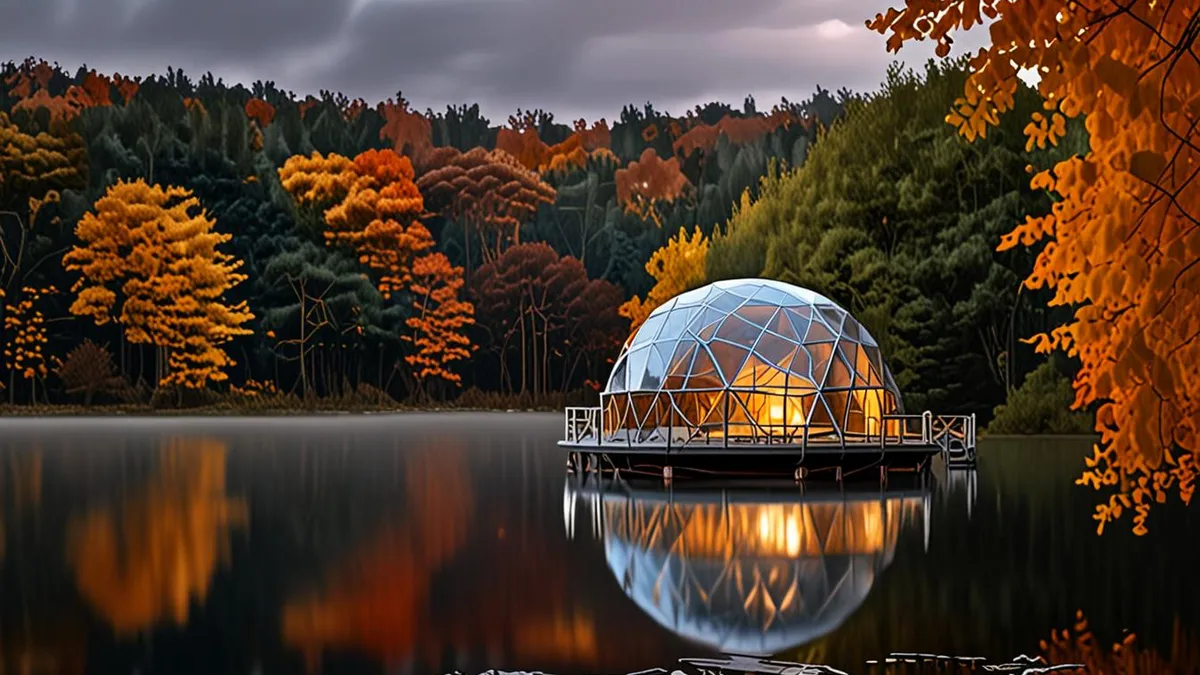
Mountains and Pacific Northwest: Peak Summer, Golden Fall
Mountain and Pacific Northwest glamping runs on a narrow but beautiful window. Sites in the Rocky Mountains and across Washington and Oregon perform best from June to September, after snowmelt clears the access roads and trails, and before the first frost shuts things down for winter. Book outside that window and you’ll often find calendars simply closed rather than discounted.
July and August are the classic months: long daylight, warm afternoons, and every trail and lake at its most accessible. The trade-off is crowds and peak pricing, especially around national parks, where nearby glamping sites can fill up fast on summer weekends.
Why September might be the smartest month
September is the insider’s pick. You get fewer crowds, early fall color at lower elevations, and shoulder-season rates that soften the price of a peak-region stay. The weather is usually still stable, with crisp mornings and warm afternoons—ideal for the mix of hiking and lounging that glamping trips are built around. If you’re weighing whether the shoulder-season trade-offs are worth it, it helps to approach the decision the way you’d weigh any big commitment, checking the details carefully before you book—much like the thinking in how to evaluate recommendations before applying.
Don’t underestimate the nights
Even in July, high-elevation sites get cold after dark. Temperatures often dip into the 40s°F (5 to 10°C) overnight in the Rockies and at altitude in the Cascades, so a summer booking still calls for a warm sleeping layer and a fleece for evening campfires. Pack for two seasons in one day: hot sun at noon, near-fall chill by midnight. Sites with wood stoves or heated domes take the edge off, and many Pacific Northwest operators include them as standard because they know the pattern well.
Southeast and Northeast: Two Windows, Different Reasons
The Southeast is a tale of two seasons, and both are lovely if you time them right. The sweet spots run from March to May and again from October to November. These windows let you dodge the crushing summer humidity that turns a canvas tent into a sauna, and they also steer you clear of hurricane season, which runs from June to November across the region.
Spring in the Southeast brings mild days, blooming azaleas and comfortable evenings around the fire pit. Fall offers a similar deal: warm afternoons, cool nights and, in the southern Appalachians, some early leaf color toward the end of the October window. If you have flexibility, the second half of October often delivers the best balance of weather and scenery.
The Northeast and Midwest: One Window, One Big Rush
Up north, glamping sites typically operate on a single season from May to October. Summer is the reliable bet, but September is the standout. Nights turn crisp, bugs fade away, and the foliage show begins, starting in the northern states and rolling south through the month.
Here is the catch: New England fall foliage weekends are the tightest availability of the entire glamping year. Popular sites can fill their prime foliage weekends months in advance, so book up to 6 months ahead if a leaf-peeping weekend is the goal. Midweek foliage stays are far easier to land and often just as scenic.
How Far in Advance to Book Glamping
Glamping sites are small, and that changes how you should book. Many properties have only a handful of tents, domes or yurts, so a single busy weekend can wipe out availability. Unlike a city hotel with 200 rooms, there is rarely a last-minute cancellation that saves you in peak season. If you want a specific unit, a private deck or a particular view, the number of options is counted in single digits.
- For peak-season stays, reserve 3 to 6 months ahead. This covers summer trips in the mountains and Northwest, and winter escapes in the Desert Southwest. Booking inside this window gives you real choice of unit type and site position, rather than taking whatever is left.
- Book popular summer weekends even earlier. At the most sought-after sites, summer weekends often sell out 6 or more months in advance. If a specific site or a special-occasion date matters, treat it like a concert ticket and book the moment the calendar opens.
- For shoulder-season trips, 4 to 8 weeks is often enough. You will usually find better site choice at that point, and some operators hold back inventory or release deals closer to the date. Just confirm what heating or weather protection each unit has before committing.
- Target midweek to book late. Stays from Tuesday to Thursday are typically 15 to 30 percent cheaper than weekends and are much easier to arrange on short notice, sometimes just a week or two out. This is the simplest way to try a new site without a long lead time.
One last habit worth building: set a reminder for the exact date that the booking window opens at your favorite site. At small properties with a few units, the first day of availability matters more than the last. A five-minute alert on your phone can be the difference between the best tent on the property and whatever nobody else wanted.
Using Shoulder Season to Save 20-40 Percent
Shoulder season is where savvy glampers win. The months of May, late September and October often price 20 to 40 percent below peak rates, and the experience can actually be better: fewer crowds, quieter fire pits, easier parking and more attentive hosts who have time to share local tips. Instead of competing for a shared fire pit or waiting for the communal shower, you might have the whole common area to yourself. Wildlife tends to be more active in the quieter hours of the season, too. The savings are real, but so are the trade-offs, and they differ by region, so it pays to match the discount to the destination before you click book.
Before you commit to a discounted night in a tent, do a little homework on what the site offers when temperatures swing. A dome that feels magical on a warm evening can feel rough on a rainy, 45-degree October night unless it has proper heat. Photos rarely show heating units, insulation or drainage, so read recent reviews from other shoulder-season guests and look for mentions of cold nights, mud or condensation. Those reviews will tell you more than any listing description.
- Mountains: expect noticeably cooler nights than peak summer, so look for units with a wood stove or quality heating and ask whether firewood is included or sold on site.
- Pacific Northwest: occasional rain is part of the deal, so prioritize sites with covered decks, all-weather walkways and raised platforms rather than grass pitches that turn muddy.
- Desert Southwest: early September can still carry lingering heat, so check whether the unit has air conditioning or strong shade and ventilation before booking that shoulder-rate deal.
- Everywhere: a hot tub, heated blanket or indoor lounge changes the shoulder-season math entirely, and these amenities are exactly what hosts add to justify off-peak bookings.
Ask the host directly how the unit performs in cold or wet weather, and don’t be shy about it. Good operators will answer honestly, describe their heating setup in detail and tell you which months their site genuinely shines. If a host dodges the question or gives vague reassurances, treat that as useful information and keep looking. A slightly pricier site with honest answers and solid cold-weather gear beats a bargain that leaves you shivering in a sleeping bag at two in the morning.
Matching Your Travel Style to the Right Season
Picking the right month is really about avoiding the wrong one. A tent booked in the desert summer means nights above 100°F (38°C), a mountain site too early in spring can mean frost, and the wrong Southeast week can mean humidity or storms. Match the season to the region and most of that risk disappears: deserts peak October to April, mountains and the Pacific Northwest run June to September, the Southeast has dual windows in March to May and October to November, and the Northeast and Midwest typically run May to October.
Once you know your region, timing follows. Book peak dates 3 to 6 months ahead, or target shoulder season for savings of 20 to 40 percent. In the end, the best season is simply the one that matches your region, your budget and your tolerance for heat, cold and crowds. If this helped you plan a trip, leave a comment or share the article.