Choosing between a yurt, a safari tent and a cabin is the most common stumbling block for first-time glampers. All three promise a comfortable night in the outdoors, but they differ sharply in comfort, cost, seasonality and who they suit. Booking the wrong one can mean a cold night in October or paying for space you don’t need.
This guide compares the three main glamping stay types side by side. We’ll explain what each structure actually is, how comfort and facilities stack up, when each type is available, and which one fits your trip, group size and budget. By the end, you’ll know exactly which option to book.
What Is a Yurt? Comfort and Character in a Round Space
A yurt is a circular canvas structure set on a wooden platform, with its design traditionally inspired by the portable dwellings used by nomadic peoples in Central Asia. Modern glamping yurts keep the distinctive round shape and domed roof but add solid framing, real furniture and weatherproof canvas walls.
Inside a yurt
Most glamping yurts typically sleep 2-6 guests on real beds, arranged around the circular floor plan. Many feature a central skylight at the top of the dome, which is ideal for stargazing from bed, and a wood stove for chilly evenings. The round layout feels surprisingly spacious and has a cozy, distinctive character you won’t find in a rectangular room.
Cost and facilities
Yurts are priced around $100-$250 per night, which usually makes them the most affordable of the three glamping stay types. The trade-off is in facilities: bathrooms and kitchen facilities are often shared with other guests or a short walk from your yurt. If you’re happy with a campsite-style bathhouse in exchange for a lower price and plenty of charm, a yurt is an excellent pick.
What Is a Safari Tent? Space and Style Under Canvas
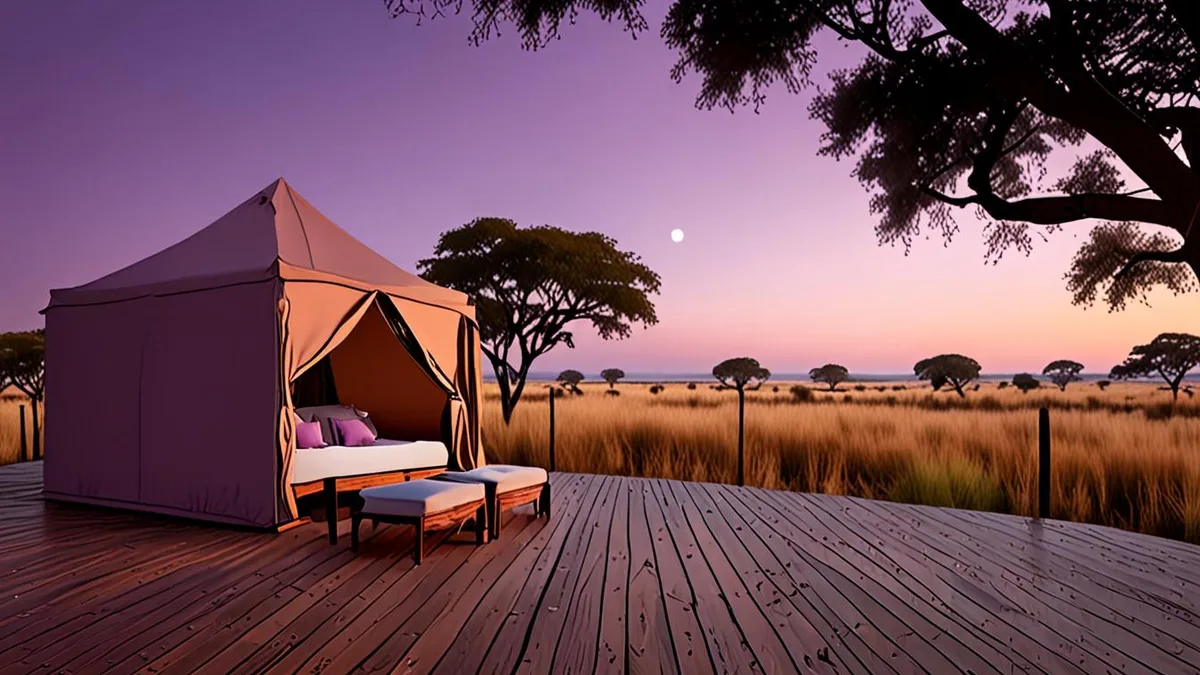
A safari tent is a large, permanent canvas tent pitched on a raised wooden deck, with its style borrowed from the expedition camps of African safaris. Unlike a pop-up tent, it stays in place year after year, with sturdy poles, heavy canvas and proper furniture inside.
Space and layout
Safari tents usually sleep 2-5 guests, and many layouts include a separate living area, a king bed and a private veranda. That veranda is often the highlight: a covered deck where you can sit with morning coffee and watch the landscape. The tall, upright walls give these tents a roomier feel than any standard camping tent, and the separate living space makes longer stays comfortable.
Price and season
Expect to pay typically $120-$300 per night, positioning the safari tent mid-range between yurts and cabins. One important caveat: canvas offers limited insulation, so most safari tent sites operate seasonally, generally from late April to October. If you’re traveling outside those months, check with the site before booking, as a safari tent in cold weather is rarely a pleasant experience.
What Is a Glamping Cabin? Solid Walls and Full Amenities
A glamping cabin is a fixed timber structure with insulation, heating and often air conditioning, which means it can be used in every season of the year. Unlike canvas options, a cabin behaves much like a small hotel room in the woods, with solid walls, a proper door and windows that seal out the weather.
Space for groups
Cabins typically sleep 2-8 guests, making them the best fit for larger families and groups. Many layouts include multiple bedrooms or a sleeper sofa, so parents, kids and friends can share one unit without squeezing together. If your group spans several generations or includes young children, the extra space and solid walls make a noticeable difference.
Price and amenities
Cabins range from about $150-$400 per night, making them the priciest of the three options, but you get hotel-like amenities in return. Almost every glamping cabin includes a private en-suite bathroom, and many add a kitchenette or even a full kitchen. Heating comes standard, air conditioning is common, and you won’t need to walk to a shared bathhouse in the rain. For travelers who want the outdoors during the day and full comfort at night, the cabin is the closest thing to a hotel room in a natural setting.
Comfort and Facilities Compared Across Glamping Stay Types
When it comes to comfort, the biggest difference between these three stay types comes down to what the walls are made of. Yurts and safari tents both use canvas, which breathes but doesn’t insulate well. That means temperatures inside can swing noticeably between a warm afternoon and a chilly evening, so packing layers is a smart move even in summer. A cabin, with its solid, insulated walls, holds a steadier indoor temperature and usually adds heating or air conditioning on top of that.
Bathrooms are another clear dividing line. Yurt and safari tent guests frequently walk to a shared bathhouse, which is fine for many travelers but less convenient at 2 a.m. or in the rain. Cabins almost always come with a private en-suite bathroom, which is one of the main reasons families and older travelers choose them.
Solitude works the same way. Canvas carries sound, so conversations from the neighboring deck or a windy night will feel closer than they would in a timber building. A cabin is the quietest and most private choice of the three, especially on busier sites where structures sit fairly close together.
Cooking arrangements differ too. Cabins often include a kitchenette or even a full kitchen, while canvas stays typically rely on a communal kitchen, a campfire ring, or a shared outdoor cooking area. If you like to prepare proper meals, check what each site provides before you book.
- Canvas structures can feel humid after heavy rain and may need a day to dry out, while solid-walled cabins stay dry inside.
- Some safari tent sites provide en-suite or semi-private bathrooms as an upgrade, so it’s worth confirming the exact setup rather than assuming shared facilities.
- Yurts with a wood stove stay surprisingly cozy once the fire is going, but someone usually needs to wake up and refuel it overnight in colder conditions.
- Communal kitchens and bathhouses can be a social perk, making it easier to meet fellow travelers than in a self-contained cabin.
- Canvas walls let in more ambient light and nature sounds, which some guests love and light sleepers should factor in.
Seasonality and When to Book Each Stay Type
Timing matters more for glamping than for most hotel stays, because canvas structures simply cannot stay open all year in most temperate regions. Yurts and safari tents generally run from late April to October, while cabins operate year-round thanks to solid walls, insulation and heating. That gives cabins a huge advantage if your travel dates fall outside the warmer months.
Summer is when demand peaks across all three stay types. Weekends in June, July and August often require booking 3-6 months ahead, especially for popular sites near lakes, national parks or coastlines. If you have your heart set on a specific site or a specific tent, treat a summer weekend like a concert ticket and reserve early.
The shoulder months are the sweet spot for canvas stays. May and September typically bring milder weather, quieter grounds and lower rates than midsummer, and many operators discount their yurts and safari tents once school holidays end. A September night under canvas can feel just as magical as a July one, with a fraction of the crowds.
Winter trips are realistically limited to cabins unless a site specifically advertises insulated, heated yurts built for snow and freezing temperatures. Never assume a yurt stays open in January; check the operator’s season dates before planning a cold-weather escape.
- Some northern-latitude sites open canvas stays only from late May or June, since spring nights at altitude can still dip near freezing, so confirm the exact opening date rather than assuming late April.
- Midweek nights in July and August are often still bookable a few weeks out, making a Monday-to-Thursday canvas stay a realistic fallback if you missed the peak-weekend booking window.
- Fall-color weekends in late September and October can book up as fast as midsummer ones in regions known for autumn foliage, so apply the same 3-6 month lead time to those dates.
- Holiday weekends such as Memorial Day and Labor Day behave like peak-season dates even though they sit at the edges of the canvas season, and they often sell out first.
- Cabins in ski or snow country may actually be hardest to book in winter, so for a January cabin trip, check whether the site has minimum-stay requirements around holidays.
Which Glamping Stay Type Fits Your Trip?
So which one should you book? Start with your group and your budget. A yurt is the natural pick for a couples’ escape or a small group of friends who want charm without a big price tag, with rates typically running $100-$250 per night. A safari tent suits travelers who want that romantic, outdoorsy atmosphere but with more elbow room and a private deck for morning coffee. A cabin is the safest bet for families, cold-weather trips, or anyone who simply refuses to share a bathroom.
Price and comfort move together here. The cheapest option usually means canvas walls and a walk to the bathhouse, while the most expensive gets you solid walls, heating, and a private en-suite bathroom. Think of it as choosing how much of the outdoors you actually want in your stay.
One more option worth knowing about: many glamping sites mix stay types on the same property. If your group includes both hardy campers and comfort-seekers, you can often book a yurt and a cabin side by side and meet in the middle at the communal fire pit.
- Anniversary or proposal trip? A safari tent’s veranda and separate living area give you space to spread out, and many sites position them for privacy and views.
- Traveling with toddlers or grandparents? A cabin removes the variables that make canvas stays tricky with very young or older guests, especially bathroom trips at night.
- Budget split across a group? Booking a mix of yurts and one cabin can balance the total cost while giving everyone a bed.
- First-time glampers? Starting with a yurt is a low-risk way to test whether canvas living suits you before committing to a longer, pricier stay.
Wrapping Up the Yurt, Safari Tent and Cabin Comparison
Choosing between a yurt, safari tent and cabin comes down to three things: season, bathroom privacy and budget. Yurts are the affordable, cozy option at roughly $100-$250 per night, while safari tents add space and style for about $120-$300. Cabins deliver year-round comfort with private en-suite bathrooms, but you’ll pay $150-$400 for the privilege.
If you’re traveling in May or September, any of the three works well. For a winter trip, a cabin is realistically your best bet. Match the stay type to your season, group size and comfort expectations, and the choice becomes straightforward. If this comparison helped you plan your next trip, leave a comment or share the article with a fellow traveler.