You booked a 4-star hotel expecting plush robes, a sparkling pool, and service that anticipated your every need. Instead, you got a tired room, a tiny elevator, and a breakfast that felt like an afterthought. If that sounds familiar, you are not alone. Hotel star ratings are one of the most misunderstood systems in travel, and the gap between what the stars promise and what you actually get can be frustrating and expensive.
The problem starts with the fact that there is no single worldwide official star-rating body. Ratings vary by country and platform, and online travel agencies like Booking.com and Expedia use their own rating criteria. A 4-star in one country can feel like a 3-star somewhere else. In this guide, we break down what hotel star ratings actually measure, what to expect at each level from basic 1-star properties to 5-star luxury, how star ratings differ from guest review scores, how to verify a rating before you book, and how to pick the right star level for your trip and budget.
What Hotel Star Ratings Actually Measure
When you see a row of stars next to a hotel name, it is easy to assume they measure how good your stay will be. They don’t. Star ratings are primarily a checklist of amenities and services: does the property have a pool, a restaurant, a concierge desk, room service, an elevator? A hotel earns its stars by offering certain facilities, not by how well it delivers them. A sparkling 4-star property with a tired, unfriendly staff can leave you more frustrated than a modest 3-star place run by people who genuinely care.
Who decides how many stars a hotel gets?
Here is the part that surprises many travelers: there is no single worldwide official star-rating body. In some countries, a national tourism board inspects hotels and assigns ratings based on published criteria. In others, the rating comes from online travel agencies like Booking.com and Expedia, which each use their own criteria. And sometimes the stars you see are simply the hotel’s own claim, with no independent verification at all.
Because the criteria differ so much, the same number of stars can mean very different things depending on where you travel. A 4-star rating in one country can equal a 3-star rating elsewhere, both in the facilities on offer and in the overall feel of the place. A “4-star” hotel in one destination might include a full restaurant and pool, while a similarly rated hotel in another country might offer far less.
The practical takeaway: treat stars as a rough indicator of what a hotel offers, not a promise of how your stay will feel. They tell you what to look for on the amenity list, but they should never be the only factor in your booking decision.
What to Expect at 1 and 2 Star Hotels
One and two star hotels sit at the most basic end of the scale, and the stars here really do mean basic. At a true 1-star property, you typically get a bed, a bathroom and not much else. In some cases, especially in older European guesthouses or small city hotels, the bathroom may be shared with other rooms down the hall rather than en-suite.
Two star hotels usually step things up slightly. Rooms generally have a private bathroom, and you might find a small desk or a basic TV. Don’t expect much beyond that, though. The focus is on a clean, functional place to sleep, not on amenities or atmosphere.
Services are where these properties cut costs the most. Many 1-2 star properties lack restaurants, room service or elevators, so you may be carrying your luggage up a few flights of stairs. Daily housekeeping is often limited or skipped entirely, and the front desk may not be staffed around the clock. If you arrive late at night, check in advance how you’ll get your key.
That’s not a criticism, by the way. These hotels fill a real need, and they suit travelers who spend their days out and their nights asleep. A few things to check before booking a budget property:
- Shared bathrooms: In some 1-star properties, toilets and showers are down the corridor, so confirm whether your room is private if that matters to you.
- Check-in hours: Small family-run places often close the desk in the evening, so ask about late arrival procedures before you travel.
- Seasonal closures: Budget hotels and guesthouses sometimes shut down entirely in low season, especially in resort areas, so confirm they’re open for your dates.
- Payment methods: Some small properties prefer cash and may not accept cards, which is worth knowing before you arrive.
What to Expect at 3 Star Hotels
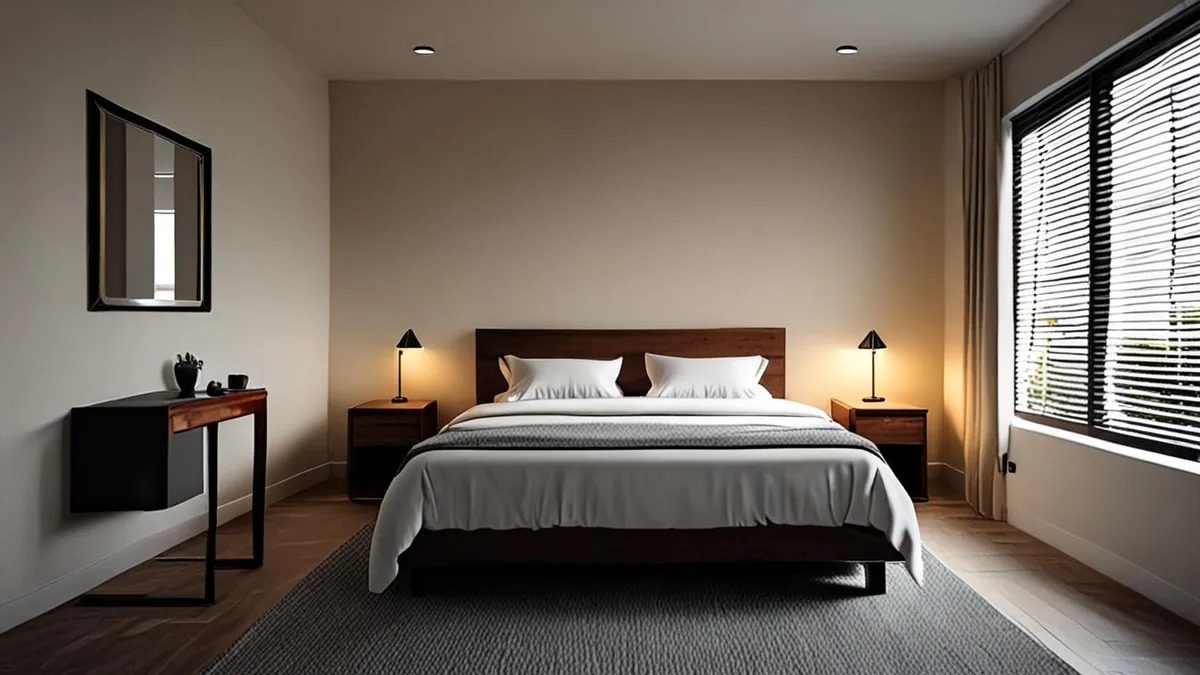
Three-star hotels are where most leisure travelers find their comfort zone. You can expect a private en-suite bathroom, daily housekeeping and usually an on-site restaurant or at least a breakfast service. Rooms are generally comfortable and functional rather than fancy, with enough space to unpack a suitcase and relax after a day of sightseeing.
This level typically includes practical extras that make a stay easier: Wi-Fi, a television and, in many properties, a small gym or a business corner with a desk and computer. Don’t count on extras like room service, a spa or a concierge desk, as those usually belong to higher star levels. If a 3-star hotel does list a pool or fitness center, check recent guest reviews to confirm it’s actually in good shape.
For most trips, this is the price-to-comfort sweet spot. You pay noticeably less than at 4- and 5-star properties, which in major cities can mean saving a substantial amount per night, while still getting clean rooms, reliable service and the basics done well. A few things to look for when comparing 3-star options:
- Breakfast style: some hotels offer a full hot buffet, while others serve a simple continental spread or charge a small optional fee, so check what’s actually included in your rate.
- Front desk hours: many 3-star properties run a 24-hour desk, but smaller ones may close overnight, which matters if you’re arriving on a late flight.
- Room extras: items like a safe, mini-fridge, air conditioning or coffee maker vary widely at this level and aren’t guaranteed, so scan the amenity list before booking.
- Location trade-offs: at the same price, you can often choose between a 3-star hotel in the city center or a larger room farther out, so decide which matters more for your itinerary.
What to Expect at 4 and 5 Star Hotels
Once you move past the mid-range tier, star ratings start to describe a noticeably different kind of stay. Four-star hotels take everything a solid 3-star property offers and add upscale touches: quality linens on the bed, room service, a gym, usually a pool, and a concierge desk that can handle dinner reservations and tour bookings. The staff tend to be more numerous and more attentive, and common areas are generally better designed and maintained.
Five-star hotels are a step beyond that. Here you’re paying for full luxury: multiple restaurants on site, a spa, valet parking, evening turndown service, and staff-to-guest ratios high enough that someone is usually nearby when you need anything. Think of it less as a room and more as a full-service environment built around your comfort.
The trade-off is the price tag, and it’s bigger than many travelers expect. In major cities, a 5-star stay commonly runs $150-400+ more per night than a comparable 3-star room. That difference can easily add hundreds of dollars to a week-long trip, so it’s worth asking whether the extras actually fit how you travel.
- Room service hours: at 4- and 5-star properties this often runs around the clock, while 3-star hotels typically limit it to set meal times or skip it entirely.
- Concierge scope: beyond booking restaurants, a 5-star concierge can usually arrange private guides, last-minute transport and hard-to-get event tickets.
- Turndown service: evening staff prepare the bed, refresh towels and often leave a small treat, a ritual you’ll rarely see below 5 stars.
- Spa and wellness facilities: 5-star properties frequently include treatment rooms, saunas and sometimes fitness classes, not just a basic gym.
- Dining variety: multiple on-site restaurants mean you can eat well without leaving the building, useful in cities where good nearby options are limited or pricey.
Star Ratings vs Guest Review Scores
Star ratings and guest review scores answer two very different questions. Stars describe what a hotel offers: the amenities and services on site, like a restaurant, pool or concierge. A review score, such as an 8.0/10 on a booking platform, describes how guests actually felt about their stay. A hotel can have an impressive list of facilities and still deliver a mediocre experience if the service is slow or the rooms are worn.
This is why the two numbers should be read together. A 3-star hotel with a 9.0 review score can easily beat a 4-star hotel rated 7.5. The 3-star property may lack a spa and a second restaurant, but if guests consistently praise the cleanliness, the staff and the comfort of the beds, you’ll likely have a better stay than at a fancier hotel where recent visitors complain about noise or indifferent service.
Why the numbers can disagree
Star ratings are often assigned once, based on a checklist of facilities, and may not be updated for years. Review scores update continuously with every guest, so they reflect the current state of the property. A hotel that was genuinely 4-star quality a decade ago might still carry the label while its review score quietly tells a different story.
How to use both when booking
Start with the star level to narrow your options to the amenities you actually want, then sort those results by review score. Before committing, read a handful of recent written reviews, not just the overall number. Look for repeated comments about cleanliness, noise, staff attitude and whether the photos match reality. Written reviews often reveal details that neither the star rating nor the score captures, like thin walls, unreliable air conditioning or a great breakfast. Checking all three takes an extra ten minutes and dramatically improves your odds of a good stay.
How to Verify a Hotel’s Star Rating Before Booking
Star ratings sound official, but who assigned the rating matters as much as the number itself. Because there is no single worldwide star-rating body, the same hotel can carry different ratings depending on the source, and a property can even be rated 4 stars on one platform and 3 stars on another. Before you book, spend a few minutes verifying what the stars actually mean. The three quick checks below take almost no time and can save you from a costly disappointment at check-in.
- Identify who assigned the rating. A rating from a national tourism board is based on that country’s official criteria, while online travel agencies like Booking.com and Expedia use their own rating criteria. Some hotels simply call themselves 4-star or 5-star with no independent assessment behind the claim. Knowing the source tells you how much weight to give the number.
- Compare the amenity list against the star level. Scroll to the facilities section on the booking page and check it against what the star level promises. If a supposed 4-star hotel lists no restaurant, no room service and no pool, that’s a red flag that the rating is either outdated or self-assigned.
- Filter recent guest photos and reviews. Most booking platforms let you sort reviews by date and filter for photos taken by actual guests. Look at pictures from the last few months and read recent comments about the rooms and facilities. Guest photos show you the real condition of the property, not the professionally shot marketing images.
Doing this check takes only a few minutes, but it protects you from the most common booking disappointment: arriving at a hotel whose stars promised far more than the property delivered. It also helps you spot the opposite case, where a modestly rated hotel quietly offers more than its stars suggest, which can mean real savings on your trip. If the rating source, the amenity list and the recent guest feedback all line up, you can book with reasonable confidence that the stars mean what they claim. If any one of the three raises doubts, keep searching rather than gambling on your vacation budget.
Choosing the Right Star Level for Your Trip
So why did that “4-star” hotel feel nothing like the luxury stay you imagined? Because the stars described what the hotel has, not how good your stay would feel. A rating reflects amenities and services on paper, and the criteria behind it can shift from one country or booking platform to the next.
The fix is to match the star level to your trip: 1-2 stars work fine for short stays where you just need a bed, 3 stars hit the value sweet spot for most leisure travelers, and 4-5 stars deliver the luxury extras. Then combine that rating with guest review scores and a quick check of the listed amenities before you book. Do both, and the hotel you see online is far more likely to be the one you walk into. If this helped clear up the confusion, leave a comment or share the article with a fellow traveler.