Most travelers reach for the familiar hotel booking site without a second thought, and that habit can cost you. The lodge vs hotel question matters more than you might think: lodges often suit nature-focused trips, longer stays and budget-conscious travelers better, yet many people never even consider them. If you’ve ever wondered whether you’re booking the right place for your trip, this guide is for you.
We’ll break down what actually defines a lodge versus a hotel, compare price and value, and look at how location and accessibility differ between the two. You’ll also find practical advice on timing your booking and how long to stay, a clear profile of the travel styles that fit lodges best, and an honest rundown of how amenities and atmosphere compare. A quick at-a-glance summary at the end will help you choose with confidence.
What Defines a Lodge vs a Hotel
The main difference between a lodge and a hotel comes down to setting and structure. Lodges are typically low-rise buildings made from timber, log or stone, designed to blend into their natural surroundings. Think of a timber-framed building near a national park, a lakeside cabin complex or a mountain retreat surrounded by forest. The architecture usually emphasizes wood beams, stone fireplaces and large windows that frame the landscape rather than city views.
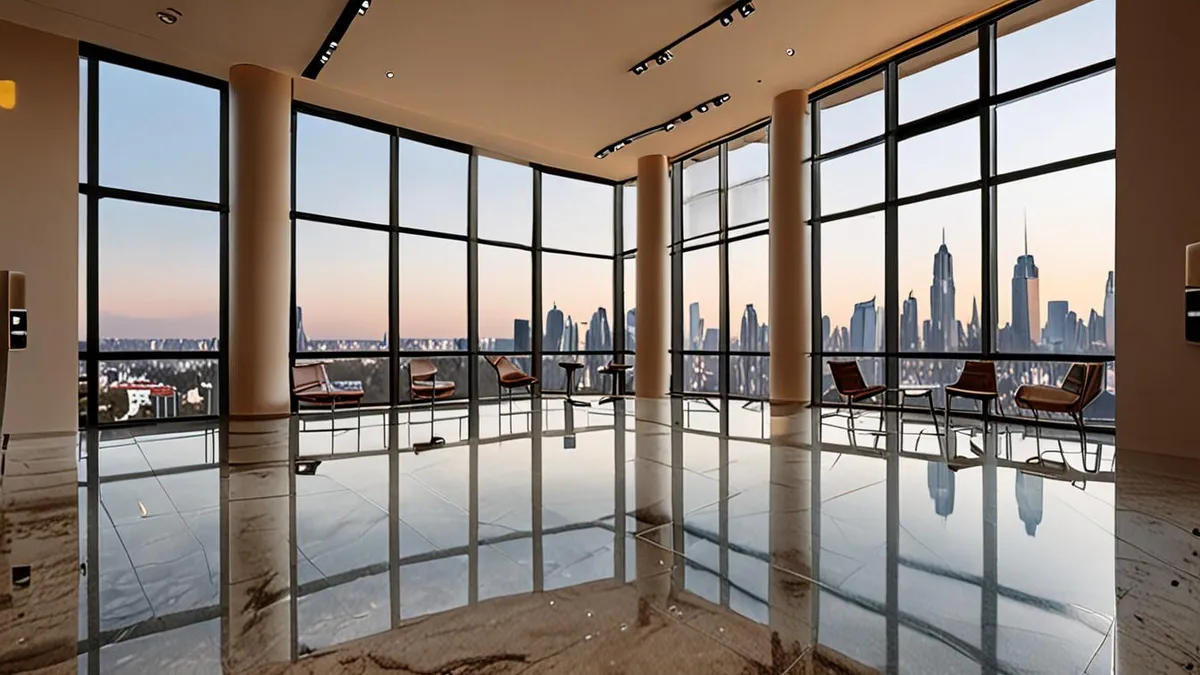
Hotels, by contrast, are multi-storey properties built for urban convenience. They often rise several floors above a city center or sit right beside a highway, an airport or a convention district. Their design prioritizes maximizing rooms and services in a compact footprint, which is why you’ll find elevators, corridors of identical rooms and shared facilities like lobbies, restaurants and conference rooms stacked vertically.
How the Rates Are Structured
Pricing models differ just as much as the buildings themselves. Many lodges bundle dining and activities into the rate, so your meals, guided hikes, boat trips or equipment rentals may already be covered when you book. This package approach makes budgeting simple, since you pay one price upfront and rarely reach for your wallet during the stay.
Hotels typically work the other way. The nightly rate covers your room, while extras such as breakfast, parking, spa treatments, room service and tours are charged separately. That flexibility suits travelers who want to eat at different restaurants each night or skip hotel dining altogether, but it does mean the final bill can grow well beyond the advertised room rate. Before booking either option, check exactly what the rate includes so you can compare them fairly.
Price and Value Comparison
At first glance, the nightly rates seem to tell a clear story: city hotels commonly charge $100-250 per night for a mid-range room, while all-inclusive lodge packages usually run $150-400 per person per night. On paper, the lodge looks like the pricier option. But that comparison is misleading, because the hotel rate rarely covers everything you’ll actually spend.
A hotel stay in a city means paying separately for breakfast, dinners, parking and any tours or entertainment you book. Those extras can easily add $50-100 per person per day, which brings the real cost close to — or above — the lodge figure. A lodge package, by contrast, bundles meals and often guided activities into one upfront price, so what you see is close to what you pay.
Timing shifts the math even further. Lodge rooms typically run 15-30% cheaper than comparable city hotels in the same region outside peak season, which runs June to August. In shoulder months like September-October or April-May, a lodge can genuinely undercut a hotel while including far more. The catch: many lodges require a 2-3 night minimum stay, so the total bill is higher even when the nightly rate is lower.
- Do the per-person math, not the per-room math. Lodge packages are priced per person, so a couple paying $200 each spends $400 per night — compare that against a hotel room plus two restaurant meals, not against a single hotel rate.
- Factor in what the package actually includes. Some lodges cover guided hikes, equipment rental and evening entertainment, while others include only meals and drinks — ask for a full inclusions list before comparing prices.
- Watch for hotel add-ons that lodge rates absorb. City hotels often charge for parking, resort fees, Wi-Fi tiers and minibar use, so a “cheap” $120 room can approach $180 by checkout.
- Check whether alcohol is included at lodges. Drinks policies vary widely between all-inclusive properties, and bar bills are one of the most common surprise costs on either stay type.
Location and Accessibility
Location is one of the biggest practical differences between these two stay types, and it affects your itinerary from the moment you land. Lodges are often located 30-90 minutes from the nearest airport, so the scenic remoteness you are paying for comes with a transfer. Build that drive into your arrival and departure plans, especially if you have a tight flight connection or plan to start an activity on your first day.
Hotels work the opposite way. In most cities, a well-located hotel puts you within walking distance of restaurants, shops, museums and public transit. You can land, drop your bags and be eating dinner or exploring the neighborhood within the hour, without ever needing a car.
Getting to a lodge
Because lodges sit outside town centers, rental cars or shuttle transfers are usually essential. Some properties offer pickup from the airport or a nearby town, while others expect you to drive yourself. Before you book, ask your lodge what transfer options exist and whether a rental car is recommended for getting to trailheads, boat launches or other attractions nearby. If you do rent a car, check whether the lodge has free on-site parking, as that can add convenience in rural areas.
The takeaway is simple: a hotel trip starts when you check in, but a lodge trip starts when you land. Factor the extra travel time into your schedule so the journey feels like part of the experience rather than a delay.
When to Book: Timing and Stay Length
Getting the timing right matters more at lodges than at most hotels, simply because lodge rooms are limited. A property with a dozen cabins sells out fast, and there is rarely another option down the street. Unlike a city hotel, where you can usually find a comparable room a few blocks away, a lodge in a remote setting may be the only game in the valley. That scarcity shapes everything about how you should book, from how far ahead you reserve to how carefully you read the fine print. A little forward planning genuinely pays off here, and it can mean the difference between your preferred cabin and whatever happens to be left.
- Book high season stays early. June through August is peak season at most lodge destinations, and the best rates and room choices go first. Reserve two to three months ahead to lock in your preferred dates and avoid paying last-minute premiums. This is especially important for popular properties with small room counts.
- Consider the shoulder months. September and October, along with April and May, typically bring lower rates and noticeably fewer crowds. Weather can still be pleasant, and you may find it easier to book shorter stays or last-minute openings if your schedule allows.
- Plan around minimum stays. Many lodges require a two to three night minimum, especially on weekends. Check this policy before you build the rest of your itinerary, since a short city-style overnight visit may simply not be possible.
- Confirm cancellation terms. Lodge policies can be stricter than hotel ones because rooms are limited and cancellations are harder to refill. Read the cancellation window carefully before paying a deposit, and consider travel insurance for longer, more expensive bookings.
One extra tip: if your dates are flexible, ask the lodge directly about midweek availability. Weeknights outside the peak rush are often the easiest and most affordable way to experience a property that would otherwise be fully booked, and staff can sometimes suggest quieter rooms or added perks for midweek guests.
Which Travel Style Suits a Lodge
Not every traveler will love a lodge, and knowing which camp you fall into saves you money and disappointment. The setting, the pace and the bundled pricing all shape the experience, so think honestly about how you like to spend a trip before you book.
Nature-focused travelers get the most out of lodge settings. If your ideal day involves hiking a trail before breakfast, casting a line at dusk or sitting quietly waiting for wildlife to appear, a lodge puts you right at the trailhead. Guided excursions led by staff who know the area well often turn a good outing into a memorable one.
Families are another group that tends to do well here. Inclusive packages that bundle meals and activities mean fewer decisions, fewer surprise bills and less wrangling over restaurant choices with tired kids at the end of a long day outdoors.
- Hikers and anglers: Many lodges employ local guides who can point you to trails, fishing spots or wildlife viewing areas you would struggle to find on your own, and gear storage or drying rooms are often part of the deal.
- Families with children: Bundled packages frequently include kid-friendly activities such as guided nature walks or campfire evenings, which keeps children engaged without extra planning on your part.
- City lovers and night owls: If you want nightlife, walkable dining and a flexible schedule, a hotel is the better fit. Lodges typically sit far from restaurants and entertainment, and dinner hours can be fixed.
The honest answer for travelers who like to improvise day by day is usually a hotel. Lodge stays work best when you arrive with a plan and are happy to let the property shape your days.
Amenities and Atmosphere Differences
The difference between a lodge and a hotel goes far beyond the view from your window. The two stay types are built around different ideas of what a trip should feel like, and that shows up in everything from the furniture to the front desk.
What lodges focus on
Lodges lean into warmth and the outdoors. Expect fireplaces in common areas or even in the rooms, wide decks for watching the light change over the landscape, and communal dining where guests swap stories over dinner. Guided excursions are usually a core part of the experience rather than an optional extra, and the whole design encourages you to slow down and stay on the property.
What hotels focus on
Hotels are built around convenience and consistency. A gym, room service, business facilities and a 24-hour front desk are standard at most mid-range and upscale city properties, which means you can arrive at midnight, order a late meal and still make an early meeting. Nothing about the experience depends on the season or the weather.
Service style differs just as much. Lodge staff tend to be a small team who get to know you by name, remember your coffee order and adjust plans around what you want to do that day. It is personal, but it is also small-scale, so there may be limits on what can be arranged at short notice. Hotel service is standardised and round-the-clock, less intimate but far more predictable. If you value being looked after as an individual, the lodge wins; if you value reliability at any hour, the hotel does.
Choosing Your Stay Type at a Glance
The hotel-vs-lodge question comes down to honesty about your trip. If you picture hiking boots, wildlife and long evenings by a fire, a lodge fits far better than the city hotel you might book by default. Lodges suit nature trips, inclusive budgets and slower-paced itineraries, with meals and activities bundled into one price.
Hotels, on the other hand, remain the right call for city breaks, short stays and anyone who wants walkable dining, flexible schedules and central convenience. Before you book, match your stay type to your trip purpose, the season you’re traveling and how you plan to get around. A few minutes of thought now can turn a standard trip into a memorable one. If this helped you decide, leave a comment or share the article with a fellow traveler.