Booking your first glamping site should be exciting, but it often ends in disappointment. The photos show a cozy tent under a starry sky, yet on arrival you find paper-thin walls, a shared bathroom down a muddy path, and neighbors close enough to hear every conversation. Most first-timers simply don’t know what to check before they pay.
This guide walks you through the decisions that matter: which stay type fits your comfort level, how to pick a location and setting, when to book, what a realistic budget looks like, which amenities to verify, and how to read reviews with a critical eye. By the end, you’ll know exactly what questions to ask before committing to any glamping site, so your first trip feels like a treat instead of a gamble.
What Kind of Glamping Site Suits Your Style?
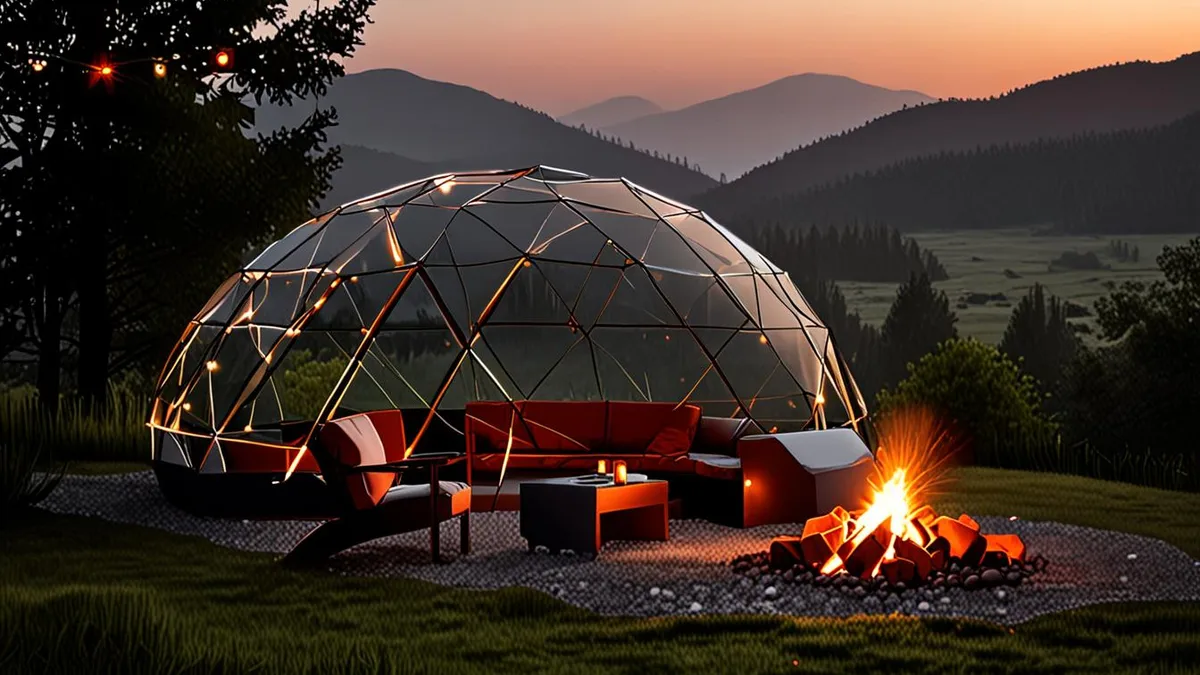
Glamping comes in more shapes than most first-timers expect, and each stay type delivers a different experience. A safari tent feels like a proper expedition camp with canvas walls and a porch, while a geodesic dome is all curved lines and panoramic windows. Yurts bring round, wood-framed coziness, treehouses lift you into the canopy, and A-frame cabins look and behave like small houses. Before you fall in love with a photo, think about how you actually sleep and what weather you’ll face.
Comfort varies enormously between these types, so match the structure to your needs rather than to your Instagram feed. Domes are fantastic for stargazing through clear panels, but their large window area can make them chilly in wind if insulation is weak. Cabins with solid walls handle cold nights far better than any tent. Here’s how the main options differ:
- Safari tents: Spacious canvas structures, often with a covered deck, but canvas breathes and can feel damp in prolonged rain.
- Geodesic domes: Best for stargazing and dramatic views, with circular layouts that sometimes waste floor space on curved walls.
- Yurts: Round and warm with a central skylight, though headroom at the edges is limited and lofts are common for beds.
- Treehouses: Unmatched atmosphere and privacy, but usually the smallest floor plans and the most stairs or ladders to climb.
- A-frame cabins: Solid walls, real doors and reliable heating, making them the safest pick for cold-weather trips.
Whatever type you choose, ask the host three specific questions: does the unit have real heating (not just a decorative fire pit), is it insulated, and is the bathroom private and en-suite or shared with other guests? These answers separate a comfortable stay from a cold one.
Picking the Right Location and Setting
The setting shapes your entire trip, so start with the activities you actually want to do. Lakeside sites suit swimmers, kayakers and anyone who loves waking up to calm water. Forest settings offer shade, hiking trails and that classic campfire feel. Mountain locations reward you with views and cooler air but can mean winding access roads. Vineyard sites pair your stay with wine tasting, often within walking distance of the tasting room.
How far is too far?
Most glamping sites sit within 30-60 minutes driving distance of the nearest town, and that distance matters more than you’d think. If you plan to cook on-site, you’ll need a supply run for groceries and firewood. If you’d rather eat out, a 45-minute drive each way for dinner gets old fast on a three-night trip. Check the distance on a map before booking, and plan your first-day shopping accordingly.
Read the map, not just the photos
Listing photos show one unit at its best angle, but they rarely show what surrounds it. Zoom in on satellite view: are the units packed side by side in a row, or spaced out with trees between them? Look at the terrain too, since a “hillside” unit might mean a steep, muddy path with your luggage. A few minutes on the map tells you whether you’re booking a private retreat or a campsite with nicer tents.
Timing Your Trip: When to Book a Glamping Site
Timing makes a bigger difference to price and experience than most first-timers realize. Peak glamping season in most regions runs May to September, and those summer weekends are when the best units sell out first. If you want a specific dome or a lakeside tent for a July or August weekend, book 3-6 months ahead. Popular sites can be fully booked for prime weekends well before summer even starts.
The shoulder-season sweet spot
If your dates are flexible, aim for the shoulder months of April-May and September-October. You’ll find milder prices and fewer crowds, and the weather is often pleasant enough for campfires and hikes without the peak-season premium. Early September in particular combines warm days with quiet sites, since families with school-age children have gone home.
Going off-season on purpose
Off-season rates can drop 30-50% below peak prices, which turns a splurge stay into a reasonable one. The trade-off is cooler nights, shorter days and sometimes rain, so this works best at sites with solid heating and insulation, such as cabins or well-built domes. Pack warm layers, bring indoor entertainment for the evenings, and you can get a $300-a-night experience for a fraction of the cost. Just confirm the unit’s heating situation before you commit to a winter date.
Setting a Realistic Glamping Budget
Glamping prices vary widely, but a realistic starting point is $100-$400 per night. A simple yurt in the off-season might sit near the low end, while a stargazing dome with a private hot tub in peak summer can easily reach the top of that range. Your stay type, the season and the level of amenities are the three biggest drivers of what you’ll pay.
Before you compare rates, ask each site exactly what the nightly price covers. Two sites that look similarly priced online can feel very different once you arrive. Some include linens, towels and firewood as standard, while others treat them as add-ons, and a few even charge separately for hot tub use. Reading the inclusions list carefully prevents surprise charges at checkout.
It also helps to budget for the extras that make a stay comfortable. Common add-ons include:
- Firewood bundles — many sites sell these on-site, so plan for one or two bundles per evening if you want a campfire both nights.
- Breakfast packages — some hosts deliver a basket of local goods to your unit each morning, which is convenient but adds to the total.
- Activity fees — kayak rentals, guided hikes or stargazing sessions are often priced separately from the room rate.
- Cleaning or booking fees — check whether these are added at checkout, as they can noticeably change the final price.
A good habit is to build a small buffer of roughly 20% above the nightly rate to cover extras. If the total still fits your budget, you’ve found a site you can actually enjoy without watching every purchase.
Checking Amenities and Comfort Levels
The difference between a magical glamping trip and a miserable one usually comes down to the essentials. Before booking, verify that the unit has real heating or AC, proper beds rather than thin camping mattresses, and reliable electricity. If you plan to work or stream movies in the evenings, ask the host directly about Wi-Fi strength — coverage in remote areas can be patchy even when a site advertises internet access.
Cooking setup matters more than most first-timers expect. Some units include a full kitchenette with a two-burner stove and basic cookware, while others offer only a shared outdoor grill. If you’re counting on making your own meals, confirm exactly what’s provided.
Space and layout
Photos can make even a small tent look spacious. As a rule of thumb, look for a minimum unit size of about 25-30 square meters for two adults. Anything smaller tends to feel cramped once you add luggage, boots and a rainy-day plan. Check the listed dimensions on the booking page, and don’t hesitate to ask the host for the floor plan.
Bathroom arrangements
Private en-suite bathrooms are not standard at every site. Some units have their own flush toilet and hot shower, while others rely on shared bathhouses a short walk away. Neither option is wrong, but sharing facilities at midnight in the rain is a very different experience from having everything under your own roof. Confirm the arrangement before you book so it matches your comfort level.
Reading Reviews Before You Commit
Professional listing photos are shot in perfect weather at the best angle, so treat reviews as your reality check. Search them specifically for mentions of noise, insects, mud and how the unit actually handles wind or rain. A dome that’s dreamy on a calm summer evening can be noisy in a storm, and reviewers will tell you what the brochure won’t.
Prioritize recent reviews over older ones. Sites change management, add new units and let facilities age, so a glowing review from several years ago may no longer reflect current conditions. It’s the same principle you’d apply when weighing professional recommendations before a major commitment — look for evidence, not just promises.
Guest-uploaded photos are especially valuable. They show the unit in real weather, with real luggage and real light, rather than a styled shoot. Sort reviews by most recent and look at the newest images before you decide.
Finally, message the host before booking. A good host responds quickly and answers specifics rather than sending a generic reply. Useful questions include:
- Access roads — ask whether the final stretch is paved or gravel, and whether a low-clearance car can manage it after rain.
- Cell coverage — confirm which carriers get signal on-site if you need to stay reachable.
- Cancellation terms — check how far in advance you can cancel and whether weather-related issues qualify for a refund or reschedule.
Hosts who answer these questions clearly are usually the ones who run a well-organized site. Vague or slow responses are worth taking seriously as a warning sign.
Your First Glamping Trip, Simplified
Most first-time glampers book a site that looks stunning online, then arrive to find a cramped tent with a shared bathroom down the path and no heating on a cold night. The fix is simple: before you pay, work through the six things that actually decide whether a stay delivers. Choosing a glamping site comes down to stay type, location, timing, budget, amenities and reviews. Check each one and the surprises mostly disappear.
Timing matters as much as the checklist. Booking 3-6 months ahead for the May-September peak secures the best units and rates, since the most comfortable domes and cabins go first. And when a site matches your comfort needs and setting, something interesting happens: that first glamping trip rarely stays your last. It turns into a repeat habit. If this guide helped you plan your first stay, leave a comment or share it with a friend who’s ready to trade the hotel room for a dome under the stars.